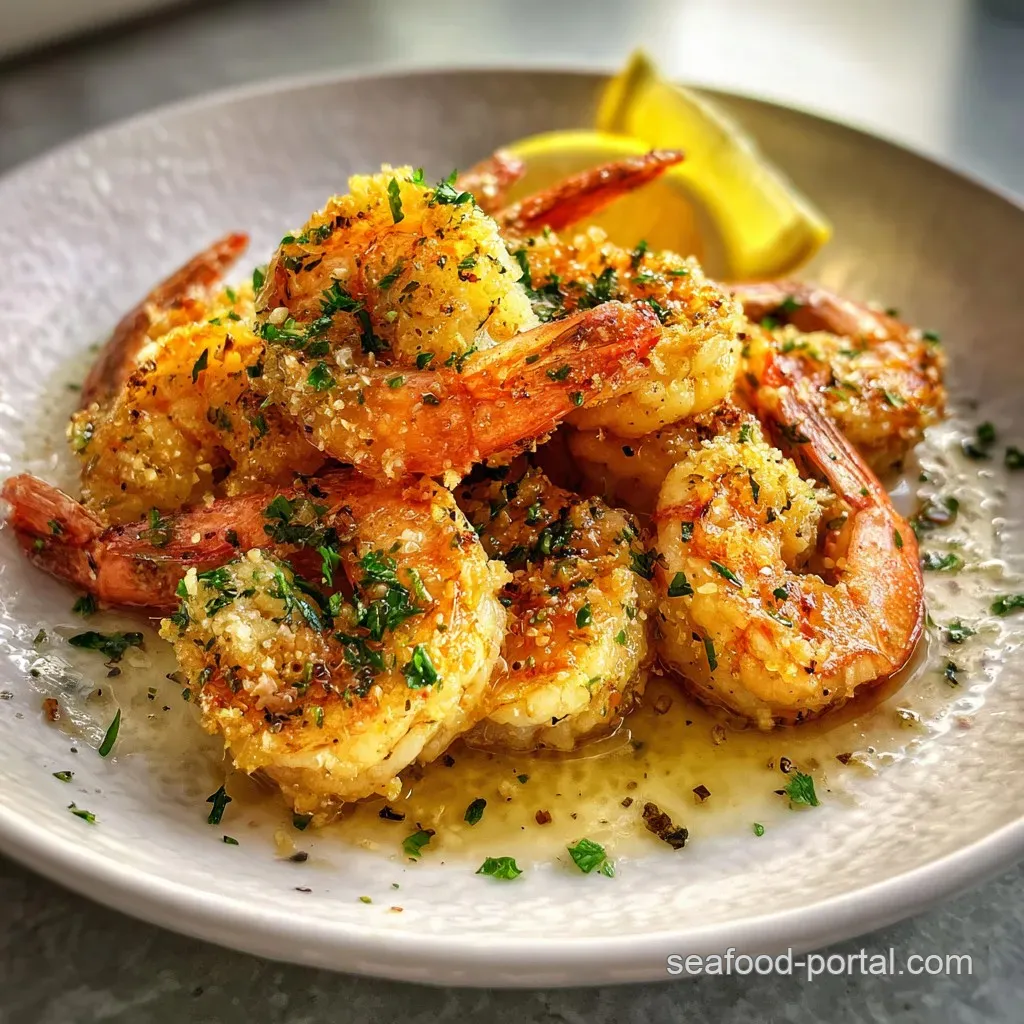
High Heat, No Rubber: Master Crispy Pan-Fried Shrimp
Imagine the satisfying crackle of perfectly seared shrimp, their exteriors boasting a deep golden hue and a texture so crisp it practically shatters with each bite. Now, picture sinking your teeth into the succulent, sweet meat within, still tender and juicy. This isn't a dream, nor does it require a deep fryer or a heavy, greasy batter. This is the magic of Get Crispy Pan-Fried Shrimp in Under 10 Minutes Flat, a technique that prioritizes high heat and a light touch to transform humble shrimp into a culinary masterpiece. Forget the rubbery, grey specimens of past kitchen mishaps; we're about to unlock the secret to restaurant-quality pan fried shrimp that will redefine your seafood game.
For too long, many home cooks have approached shrimp with trepidation, fearing overcooking and resorting to low heat or gentle poaching. While these methods have their place, they often leave shrimp lacking in texture and robust flavor. The truth is, the key to truly exceptional pan fried shrimp lies in fearlessly embracing the sizzle. That high-pitched song when the first piece of seafood hits a screaming hot pan isn't just noise; it's the sound of the Maillard reaction kicking into high gear, promising unparalleled depth of flavor and an irresistible crust. Get ready to ditch the notion that delicate seafood requires delicate cooking and prepare for a fast, flavorful revolution in your kitchen.
The Secret to Shatter-Crisp Perfection: Embrace the Heat and the Starch
The foundation of crispy pan fried shrimp rests on two critical pillars: intense heat and a light dusting of starch. These elements work in concert to create that coveted contrast between a shatter-crisp exterior and a tender, juicy interior that simply cannot be achieved through boiling or steaming.
Unleashing the Maillard Reaction
When shrimp meet a searing hot pan, a complex chemical process known as the Maillard reaction takes center stage. This isn't just about browning; it's about flavor development. The natural sugars and amino acids on the surface of the shrimp, exposed to high heat, transform into hundreds of new, complex savory compounds. This is where the deep, umami-rich flavors come from, creating an enticing aroma of toasted garlic and smoky paprika that fills your kitchen in mere seconds. Low heat, by contrast, merely steams the shrimp, leading to a dull color, rubbery texture, and a significant lack of flavor.
The Magic of a Starch Dusting
Unlike heavy batters that can obscure the shrimp's natural flavor and lead to a greasy finish, a thin dusting of cornstarch (or other similar starches like tapioca or potato starch) is a game-changer. Here's why it's so effective:
- Moisture Magnet: Starch acts like a sponge, absorbing surface moisture from the shrimp. This is crucial because moisture is the enemy of crispness. If the surface is wet, the oil will steam the shrimp rather than fry it, preventing that desired crust from forming.
- Surface Area for Frying: By drying the surface, the starch ensures that the oil directly contacts the shrimp's exterior, facilitating rapid frying and browning. This thin coating becomes incredibly crispy, almost cracking when you bite into it.
- Flavor Adhesion: The starch also helps your seasonings adhere evenly to the shrimp, ensuring every piece is perfectly seasoned.
At the very end of the cooking process, a touch of butter can be introduced. This isn't for the initial sear, as the milk solids in butter can burn at high temperatures. Instead, it's added at the last moment to provide a rich, fat-soluble flavor boost, coating the perfectly cooked shrimp in a luscious sheen.
This flash-fry technique is a significant departure from methods like boiling or poaching, which yield a softer texture and less intense flavor. To understand more about the superior flavor profile, explore Unlock Ultimate Flavor: Why Pan-Frying Beats Boiling for Shrimp.
Beyond the Basics: Essential Ingredients and Setup
Achieving culinary success with pan fried shrimp starts long before the pan hits the stove. The right ingredients and proper preparation are paramount.
Choosing and Preparing Your Shrimp
- Size Matters: Opt for large or jumbo shrimp (21/25 count or larger). Their size provides a good balance between a crispy exterior and a tender interior without overcooking too quickly.
- Thaw Completely: If using frozen shrimp, ensure they are fully thawed. The best way is to let them thaw overnight in the refrigerator or submerged in a bowl of cold water for about 15-20 minutes, changing the water once or twice.
- Devein and Shell: Always use deveined shrimp. You can buy them already peeled and deveined to save time, or do it yourself. Whether you keep the tail on or remove it is entirely up to personal preference – tails on provide a convenient "handle" and look appealing, while tails off are easier to eat.
- Pat Them Dry: This is arguably the most critical prep step. After thawing and shelling, lay the shrimp on a plate lined with paper towels and pat them meticulously dry from all angles. Change the paper towels if they become saturated. Any residual moisture will lead to steaming, not frying, and you'll miss out on that beautiful crispness.
The Right Oil for the Job
When cooking with high heat, your choice of oil is crucial. Avoid low smoke point oils like extra virgin olive oil, which will smoke up your kitchen before your shrimp even begin to sizzle, imparting a burnt flavor. Instead, reach for oils with a high smoke point:
- Avocado Oil: Excellent high smoke point (around 520°F/270°C) and neutral flavor.
- Grapeseed Oil: Another great option with a high smoke point (around 420°F/215°C) and light flavor.
- Ghee (Clarified Butter): Offers a rich, buttery flavor without the burning milk solids of regular butter (smoke point around 485°F/250°C).
You'll need just enough oil to lightly coat the bottom of your pan – typically 1-2 tablespoons for a batch of shrimp.
Seasoning for Success
While simple salt and freshly cracked black pepper are a fantastic start, don't shy away from enhancing your pan fried shrimp with additional flavors. The starch dusting ensures your seasonings adhere beautifully.
- Classic Combos: Garlic powder, onion powder, smoked paprika are excellent additions.
- Spice Blends: A sprinkle of creole seasoning, homemade blackened seasoning, or Old Bay seasoning can instantly elevate the flavor profile.
- Herbs: Dried oregano, thyme, or a touch of cayenne pepper for a kick.
The key is to apply a light, even coating of both starch and seasoning, ensuring every shrimp is uniformly covered without being clumpy or overbearing.
Essential Equipment
A heavy-bottomed skillet is your best friend for high-heat cooking. A well-seasoned cast iron skillet is ideal due to its superior heat retention and even heat distribution. Stainless steel or other heavy-gauge pans will also work well. You'll also need tongs for easy flipping.
Your Step-by-Step Guide to Pan-Frying Excellence
With your ingredients prepped and your mindset ready to embrace the heat, let's dive into the simple steps for perfectly crispy pan fried shrimp.
- Prepare and Season the Shrimp:
- Ensure your large shrimp are fully thawed, peeled, deveined, and most importantly, meticulously patted dry. This step cannot be overstated.
- In a bowl, toss the dried shrimp with your chosen seasonings (e.g., ½ teaspoon salt, ¼ teaspoon black pepper, ½ teaspoon garlic powder, ½ teaspoon smoked paprika, and 1 tablespoon cornstarch). Ensure every shrimp is lightly and evenly coated. You want a thin film, not a heavy crust before cooking.
- Heat the Pan:
- Place your cast iron or heavy-bottomed skillet over high heat. Allow it to preheat for 3-5 minutes until it's screaming hot. You should see a faint wisp of smoke or a shimmering effect from the pan itself.
- Add 1-2 tablespoons of high smoke point oil (avocado, grapeseed, or ghee) to the hot pan. Swirl to coat the bottom. The oil should heat almost instantly and appear shimmery, but not smoking excessively.
- Sear the First Side:
- Carefully add the seasoned shrimp to the hot pan in a single layer. Do not overcrowd the pan; cook in batches if necessary. Overcrowding will lower the pan's temperature and lead to steaming.
- Listen for that immediate, satisfying sizzle. Cook undisturbed for 1-2 minutes. During this time, the Maillard reaction is rapidly working its magic, forming that beautiful golden crust. You'll see the edges of the shrimp turn opaque and develop color.
- Flip and Finish:
- Using tongs, quickly flip each shrimp to the other side.
- Continue cooking for another 1-2 minutes, or until the shrimp are fully opaque, pink, and curled into a "C" shape. Be mindful not to overcook, as shrimp cook very quickly.
- For an extra layer of richness, add a tablespoon of unsalted butter to the pan during the final 30 seconds of cooking, allowing it to melt and coat the shrimp.
- Serve Immediately: Remove the shrimp from the pan and serve while hot.
The entire cooking process, from shrimp hitting the pan to landing on your plate, should take no more than 4-5 minutes. This incredible speed makes pan fried shrimp not just delicious, but also a fantastic option for busy weeknights.
Elevate Your Plate: Serving Suggestions and Flavor Twists
Once you've mastered the art of crispy pan fried shrimp, the culinary possibilities are endless. Their versatile flavor and texture make them a perfect fit for a variety of dishes.
Creative Serving Ideas
- Solo Star: Enjoy them simply alongside some herbed butter boiled potatoes and oven-roasted green beans for a complete, elegant meal.
- Taco Tuesday Reinvented: Build irresistible shrimp tacos with a fresh chipotle lime slaw and a squeeze of fresh lime juice.
- Salad Sensation: Toss your crispy shrimp onto a vibrant Caesar salad or a refreshing Japanese ginger salad for a protein-packed lunch or light dinner.
- Pasta Perfection: Stir them into a creamy homemade alfredo sauce or a bright lemon-garlic pasta for a restaurant-worthy dish.
- Wholesome Bowls: Add them to a grain bowl with quinoa or rice, roasted vegetables, and your favorite dressing.
- Appetizer Appeal: Serve them with a dipping sauce like cocktail sauce, remoulade, or a spicy sriracha mayo for a crowd-pleasing starter.
Unleash Flavor Variations
Beyond the basic salt and pepper, experiment with different seasoning profiles to match your mood or the cuisine you're aiming for:
- Cajun/Creole Kick: A generous dusting of Cajun or Creole seasoning adds a spicy, savory depth.
- Lemon-Herb Zest: Combine garlic powder, dried oregano, and a pinch of lemon zest (added after cooking for freshness) for a bright, aromatic profile.
- Smoky Southwest: Smoked paprika, cumin, and a touch of chili powder create a warm, earthy flavor.
- Asian Inspired: A dash of ginger powder and white pepper with a drizzle of sesame oil after cooking can transport your taste buds.
If you prefer a marinade, a light and refreshing cilantro lime marinade or a "super easy shrimp marinade" can infuse incredible flavor. Just remember, if marinating, it's even more crucial to pat the shrimp thoroughly dry before dusting with starch and frying to ensure you still achieve that optimal crispness.
Mastering crispy pan fried shrimp is a culinary skill that yields immense satisfaction and incredibly delicious results. By embracing high heat, utilizing a simple starch dusting, and paying attention to a few crucial details, you can consistently achieve that coveted shatter-crisp exterior and succulent interior. This method is not only faster than ordering takeout but also far more rewarding, leaving you with perfectly cooked seafood that's miles ahead of boiled or poached alternatives. So, don't be afraid to crank up the heat and let your pan scream; your taste buds will thank you for it. Enjoy the journey to becoming a shrimp-frying maestro!
